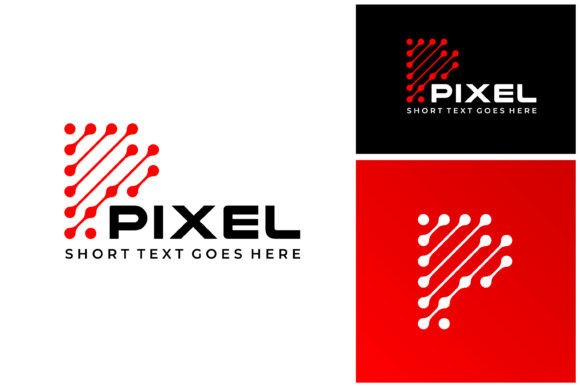
Designing a Connected Brand with the Letter P Pixel Logo
Crafting a visual identity that feels both modern and timeless is a challenge every designer and business owner faces. You need something that captures attention in a split second, works across countless formats, and tells a story without words. This is where a thoughtfully constructed logo template, like one built on the concept of a "Letter P Pixel Connected Dots Link Logo," becomes an invaluable asset. It’s not just a graphic; it's a strategic piece of visual communication built on principles of connectivity and digital precision.
The Anatomy of a Modern Monogram
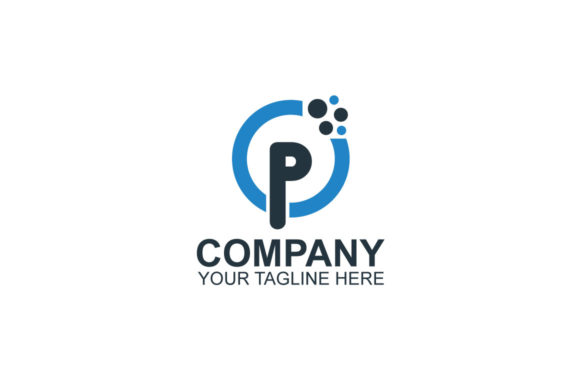
At its heart, this design concept merges a few powerful ideas. The "Letter P" provides a strong, recognizable starting point for a brand name. The "Pixel" and "Connected Dots" elements inject a distinctly digital, networked aesthetic—suggesting technology, innovation, and interconnectivity. Finally, the "Link" aspect reinforces themes of connection, partnership, or a digital network. The result is a logo template that feels contemporary, tech-savvy, and full of potential energy. Its geometric, vector-based construction ensures it scales perfectly from a tiny favicon to a massive billboard without losing an ounce of clarity.
What makes this type of template particularly appealing is its inherent versatility. The clean lines and modular feel of connected dots allow it to adapt. It can appear sleek and minimalist for a fintech startup, or it can be customized with vibrant colors and textures for a creative agency or a community-focused app. The visual language is clear and direct, which is a significant advantage in crowded digital spaces where you have mere seconds to make an impression.
From Concept to Concrete Application
A logo file sitting on your desktop has no value. Its power is unlocked through application. A high-quality, timeless logo template like this EPS file is designed to be a workhorse for your entire brand ecosystem. Think about the primary places your brand needs to show up consistently. Your website header, social media profile pictures, email signatures, and business cards are just the beginning.
The practical uses extend far beyond these basics:
- Branding & Logo Design: This is the core. Use it as the foundation of your brand identity system.
- Packaging & Merchandise: The clean vector art works beautifully on product labels, boxes, apparel, and promotional items.
- Digital Presence: Create cohesive social media graphics, YouTube channel art, and blog post headers that all tie back to your main identity.
- Print & Editorial: Incorporate it into posters, flyers, business stationery, magazine layouts, and annual reports for a professional, unified look.
- Marketing & Invitations: Use it in digital ads, email campaigns, webinar slides, and event invitations to build recognition.
The key is using the same visual anchor—the connected P—across all these touchpoints. This repetition is what builds the "brand recognition" that marketers talk about. When a customer sees that specific shape on a Instagram post, then on an invoice, and later on a physical product, trust and familiarity grow organically.
Practical Advice for Working with Vector Templates
Getting the most out of a design asset like this requires a bit of know-how. The file is provided as an EPS 10, which is a professional vector format. For the best results and full editability, you'll want to open it in a vector graphics editor like Adobe Illustrator. This allows you to truly make it your own.
Here’s a straightforward workflow:
- Install the Required Font: The template uses a specific typeface. To edit or recreate the text elements, you’ll need to download and install that font first. This ensures your text matches the template's design perfectly.
- Customize with Purpose: Don’t just change colors randomly. Choose a palette that aligns with your brand’s personality and industry. A tech company might opt for blues and grays, while a wellness brand might choose earthy tones.
- Simplify if Needed: One of the biggest advantages of a vector file is the ability to remove elements. If the design feels too busy for a specific use, you can easily delete parts of the dot pattern or simplify the letterform.
- Test for Readability: Always check your customized logo at various sizes. Does the "P" with its connected dots remain clear when it’s very small, like on a mobile app icon? Ensure the details don’t turn into a muddy blur.
- Consider Font Pairings: Your logo font is just one part of your typography system. Pair it with a complementary font for body text. If your logo is a modern display font, a clean sans-serif for paragraphs often works well. If it’s more geometric, a humanist sans-serif can add warmth.
Remember, while the template provides a strong starting point, your unique customization is what will set your brand apart. The goal isn’t to use it as-is, but to use it as a springboard for a cohesive visual identity.
Aligning Typography with Your Brand's Voice
Choosing a font or a logo style is fundamentally a choice about voice and personality. A connected dot logo speaks a language of modernity, digital connectivity, and precision. It’s an excellent fit for businesses in tech, networking, SaaS, digital marketing, consulting, or any field that values innovation and clear communication.
Before finalizing your design, ask yourself a few key questions:
- What is my brand's core message? Does this visual style support that message?
- Who is my audience? Will they connect with this aesthetic? A younger, tech-native audience might love it instantly.
- Where will this be used most? If it’s primarily for digital, the pixel-inspired look is perfect. If it’s for luxury print, you might adjust the color and texture.
This process of alignment ensures your visual identity feels authentic, not just trendy. It’s about finding the right design assets—whether it’s a premium font, a set of social media templates, or a logo like this one—that genuinely represent who you are and resonate with the people you want to reach. The most successful brands are those where every visual element feels intentionally chosen to tell a consistent story.
Ultimately, a well-executed logo template is a tool for clarity. It helps you present a professional, polished face to the world, making it easier for your audience to understand what you do and why they should care. By starting with a strong, adaptable foundation like a vector-based connected dots design, you give yourself the creative freedom to build a brand that is both visually striking and deeply coherent.