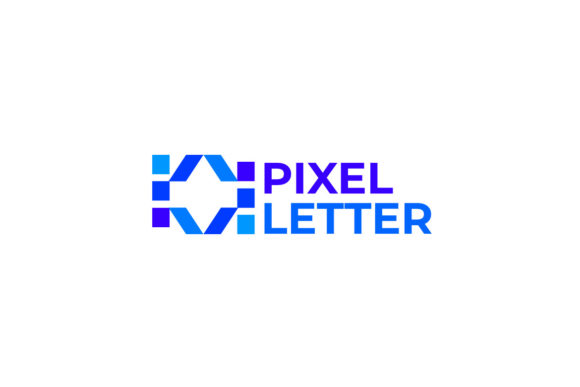
Pixel Line Logo: A Modern Typeface for Crisp Visuals
Have you ever scrolled past a brand's Instagram post or website and immediately felt a sense of sophistication, only to realize it all came down to the font? Typography is the silent ambassador of your brand, often doing the heavy lifting before a customer even reads a word. If you are looking to inject a sense of modern minimalism and technical precision into your designs, the Pixel Line Logo typeface offers a compelling solution. It is more than just a collection of letters; it is a design asset built to create clean, futuristic aesthetics that resonate with contemporary audiences.
The visual appeal of this typeface lies in its construction. It bridges the gap between digital precision and artistic flair. Often categorized as a creative font, it features distinct line work that mimics vector precision, making it ideal for logo design and brand identity projects. Whether you are a freelancer drafting a pitch deck or a small business owner refreshing your website, understanding how to leverage this font can significantly impact your visual communication strategy.
Understanding the Visual Language
What makes a font like Pixel Line Logo stand out in a sea of sans serif fonts and serif fonts? It is the attention to negative space and structure. Unlike heavy, blocky display fonts that shout for attention, this typeface uses line weight intelligently. It creates a rhythm that guides the eye, ensuring that your message is delivered with clarity. This characteristic makes it a premium font choice for those who want their designs to feel expensive and polished without relying on excessive ornamentation.
The included files—EPS, PDF, and the standard font file—ensure that you have the versatility needed for any production pipeline. The EPS and PDF files are particularly useful for designers who need to manipulate the vector paths of the letters for custom logo design work. Imagine taking the "P" from Pixel Line Logo and extending its lines to underline the rest of your brand name; that kind of flexibility is what separates generic branding from bespoke brand identity.
Real-World Applications for Entrepreneurs
For the small business owner or creative entrepreneur, the utility of a font extends far beyond the header of a website. You need a typeface that performs across multiple touchpoints. Because Pixel Line Logo is designed with modern aesthetics in mind, it translates beautifully across different mediums.
Consider your packaging design. If you sell tech accessories, cosmetics, or artisanal goods, the font’s clean geometry suggests quality and precision. It implies that your product is well-made. Similarly, for editorial design—such as lookbooks or digital magazines—this typeface provides a strong counterpoint to body text, helping to establish a clear visual hierarchy.
- Merchandise: The distinct letterforms look fantastic on apparel, tote bags, and stickers. The lines scale well, ensuring legibility whether printed small on a label or large on a hoodie.
- Digital Products: If you are selling courses, templates, or e-books, using a consistent, high-quality font like this elevates the perceived value of your product.
- Social Media Graphics: In the fast-paced world of feeds and stories, you have seconds to capture attention. The unique silhouette of the Pixel Line Logo alphabet makes for eye-catching headers and call-to-action overlays.
- Invitations and Events: For tech launches, art shows, or modern weddings, the font sets a specific mood that standard script fonts simply cannot achieve.
Mastering Font Pairings and Hierarchy
One of the most common mistakes in web design and marketing assets is using a display font for everything. While Pixel Line Logo is visually striking, its strength lies in headings and logos. To maintain readability for longer paragraphs, you need to pair it with a complementary typeface.
A practical approach is to contrast the geometric nature of Pixel Line Logo with a humanist sans serif font or a classic serif font for body copy. Since the provided package includes the Montserrat font (a Google Font), you already have a perfect partner. Montserrat is known for its versatility and clean lines. It supports the aesthetic of Pixel Line Logo without competing for attention.
When designing a layout, use Pixel Line Logo for your H1 headers, pull quotes, or logo lockups. Use Montserrat for the paragraphs, captions, and buttons. This creates a visual consistency that makes your content look professionally curated. It improves audience engagement because the viewer isn't struggling to decipher text; the information architecture is logical and pleasing to the eye.
Technical Considerations for Designers
When working with this typeface, particularly for print materials like posters or business cards, pay attention to kerning and tracking. Because the font relies on line structure, spacing is crucial to its legibility. You may find that increasing the tracking slightly in all-caps settings improves the "airiness" of the design, reinforcing that modern, tech-forward vibe.
Furthermore, the inclusion of vector files (EPS) allows for advanced customization in software like Adobe Illustrator. You can outline the strokes, change the line weights, or even animate the paths for video intros. This level of control is invaluable for content creators looking to build a signature style in their video editing or motion graphics.
Building a Brand That Lasts
Trends in typography come and go, but the need for clear, confident communication remains constant. Choosing a font is a strategic decision. It affects how your audience perceives your reliability, creativity, and professionalism. By incorporating a typeface like Pixel Line Logo into your toolkit, you are signaling that your brand pays attention to detail.
It is not just about looking "cool"; it is about brand recognition. When your visual assets—from your email headers to your social media graphics—share a cohesive typographic voice, customers start to recognize you instantly. That consistency builds trust. Whether you are a marketer designing a campaign or a blogger revamping your site, the goal is to create an environment where your content feels authoritative.
Ultimately, the best design assets are the ones that disappear into the workflow and just work. They don't require hours of tweaking to look good. The structure of this font family, paired with the practical utility of Montserrat, provides a solid foundation for almost any creative project you can imagine. It is a toolkit designed for the modern creator who values both aesthetics and function.