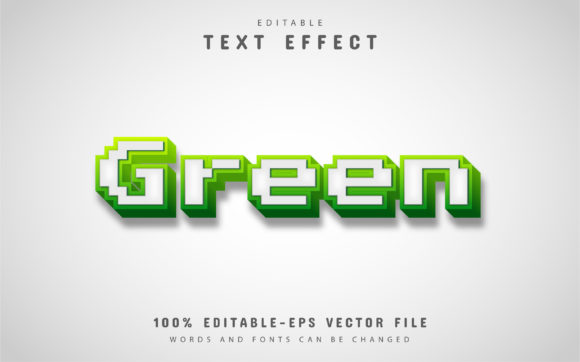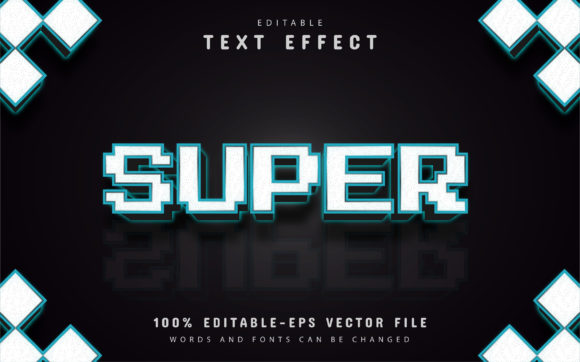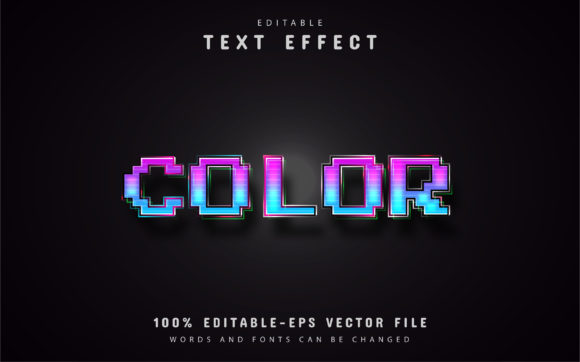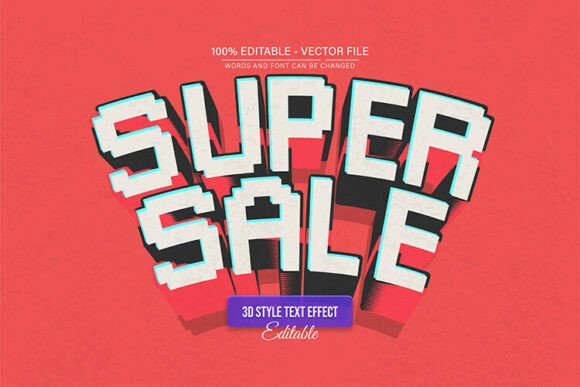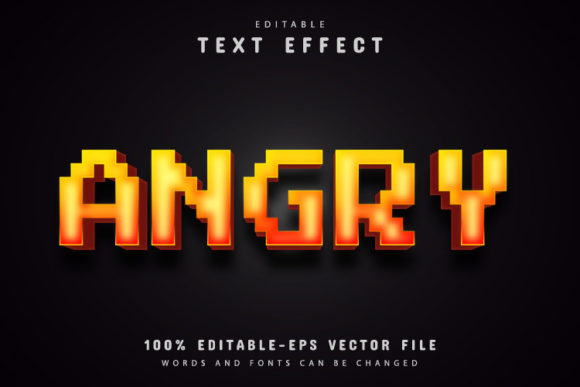
Angry Text Effect Pixel Style: Bold Retro Design for Modern Projects
There’s something undeniably powerful about pixel art. It carries the weight of nostalgia, the grit of early gaming culture, and a raw, unapologetic energy that modern sleek designs sometimes lack. When that aesthetic is applied to typography, the result is a font that doesn’t just sit quietly on the page—it demands attention. The Angry Text Effect Pixel Style captures that exact vibe, blending retro gaming charm with a fierce, impactful presence that works across a surprising range of creative projects.
What makes this particular design asset stand out is its versatility paired with uncompromising quality. As a fully editable vector design, you can scale it from a tiny favicon to a massive billboard without losing a single crisp edge. No pixelation, no blurring, no compromises. Open it in Adobe Illustrator, grab the text tool, and you’re in full control. Change the wording, adjust the colors, tweak the size—every element bends to your creative vision. It arrives in both EPS and JPG formats, uses free fonts, and requires zero advanced design skills to customize. That combination of accessibility and professional-grade output is rare, and it’s exactly why this effect deserves a closer look.
Why Pixel Typography Still Resonates
Pixel fonts tap into a visual language that millions of people instinctively recognize. Think about the first time you saw a game over screen, a retro arcade cabinet, or an 8-bit adventure title. That blocky, grid-based lettering carries emotional weight. It signals playfulness, rebellion, authenticity, and a DIY spirit. For brands and creators trying to cut through the noise of polished, homogeneous design, pixel typography offers a shortcut to personality.
The Angry Text Effect Pixel Style leans into that energy with a deliberately aggressive edge. The letterforms feel charged, like they’re about to burst off the screen. This isn’t a gentle, whimsical pixel font—it’s built for impact. That makes it ideal for projects where you need to make a statement fast. A product launch announcement, a gaming channel logo, an event poster, a limited-edition merch drop—these are the moments where bold, unapologetic typography earns its keep.
Real-World Applications That Actually Work
Let’s get specific about where this kind of design asset shines. Branding is an obvious starting point. If you’re building an identity for a tech startup, an indie game studio, a streetwear label, or a podcast with attitude, this pixel text effect gives your logo and wordmark an instant personality boost. It tells your audience something about your brand before they read a single word of your mission statement.
Social media graphics are another natural fit. Platforms like Instagram, TikTok, and YouTube are saturated with clean, minimalist templates. A pixel-style headline cuts through that visual sameness. Use it for thumbnail text, story announcements, quote graphics, or promotional banners. The blocky lettering reads well even at small sizes on mobile screens, which is a practical advantage many decorative fonts can’t claim.
Packaging design benefits enormously from this aesthetic too. Imagine a hot sauce label, a craft beer can, a snack bag, or a specialty coffee sleeve using pixel typography. It immediately signals a brand that doesn’t take itself too seriously but still cares deeply about its visual presentation. The same logic applies to merchandise—t-shirts, stickers, enamel pins, tote bags, and posters all become more compelling when the typography has character.
Don’t overlook editorial and digital applications either. Blog headers, newsletter graphics, eBook covers, course materials, and website hero sections can all leverage this style to create visual hierarchy and emotional tone. If you run a gaming blog, a retro culture site, or a creative tutorial channel, matching your headers to your content’s energy builds cohesion that readers notice, even if they can’t articulate why it feels right.
Practical Tips for Working With This Effect
Choosing the right font style for a project always starts with understanding your goal. Are you trying to entertain? Intimidate? Nostalgize? The Angry Text Effect Pixel Style leans toward high energy and boldness, so pair it with context that supports that tone. A children’s birthday invitation might call for something softer, but a product launch countdown or a gaming tournament flyer? Perfect match.
Font pairing is where many projects succeed or stumble. This pixel effect works best alongside clean, simple typefaces for body text. A straightforward sans serif font lets the display headline do its job without creating visual chaos. Think of it like a lead singer and a rhythm section—the headline grabs attention, and the supporting text delivers the information. Avoid stacking multiple decorative fonts together. That’s a recipe for clutter, not creativity.
Readability matters, even with display fonts. Test your designs at the actual size your audience will see them. A headline that looks incredible on your 27-inch monitor might become illegible as a mobile thumbnail. The pixel grid structure of this style actually helps with clarity at smaller sizes compared to ornate script fonts or handwritten fonts, but it’s still worth checking. Print a test page. View it on your phone. Ask someone unfamiliar with the project if they can read it instantly.
Color is another lever you can pull. Since this is a fully editable vector, you’re not locked into a single palette. Match the text colors to your brand identity, swap them for seasonal campaigns, or create unlimited variations for A/B testing your marketing assets. That flexibility turns a single download into a long-term design resource rather than a one-time-use file.
Licensing and Long-Term Value
Before using any design asset commercially, always review the licensing terms. Most premium font downloads like this one include licenses that cover both personal and commercial use, but the specifics matter. Can you use it on products you sell? In client work? In digital downloads? Understanding these boundaries upfront prevents headaches later, especially if your project scales from a side hustle to a full business.
The included font info points to free fonts, which simplifies the licensing picture considerably. You’re not dealing with expensive typeface subscriptions or per-project licensing fees. That makes this kind of asset particularly valuable for small business owners, freelancers, and independent creators who need professional results without enterprise-level budgets.
Think of this download as a design tool, not a finished product. The JPG files work great for quick mockups and social posts. The EPS file is where the real power lives—open it in Illustrator, edit the text, adjust the colors, and export exactly what you need for any format. Print resolution, web optimization, animation frames—vector files handle all of it without breaking a sweat.
Matching Typography to Your Creative Vision
The best design choices feel inevitable in hindsight. When someone sees your logo, your poster, your packaging, and it just clicks—that’s the result of intentional typography. The Angry Text Effect Pixel Style isn’t trying to be everything. It knows what it is: bold, retro, energetic, and unapologetically loud. Projects that embrace that personality get the best results.
Take time to explore how this style fits into your broader visual system. Does it complement your existing brand colors? Does it match the tone of your content? Does it resonate with your target audience? A gaming community will respond differently than a luxury skincare brand, and that’s exactly how it should be. Great design isn’t about finding the most popular font—it’s about finding the right one for your specific context.
If you’re building a brand identity from scratch, consider how this pixel effect might anchor your visual language. Use it for your primary wordmark, then pull design cues from its grid structure into your layouts, icons, and patterns. That kind of visual consistency builds recognition faster than any single logo ever could. Your audience starts associating that blocky, energetic aesthetic with your brand, and that association becomes incredibly valuable over time.
For content creators and marketers, think about seasonal and campaign-specific applications. A limited-edition product drop, a holiday sale, a game night event, a retro-themed content series—each of these moments benefits from typography that matches the occasion. Having a few versatile display fonts in your toolkit means you’re always ready to create something that feels fresh without starting from zero every time.
The honest truth about design assets is that most of them collect digital dust. The ones that earn their place in your workflow are the ones that are easy to use, flexible enough for multiple projects, and distinctive enough to make a real visual difference. A fully editable pixel text effect that scales infinitely, customizes in minutes, and delivers that unmistakable retro energy? That’s the kind of tool that actually gets used, month after month, project after project.