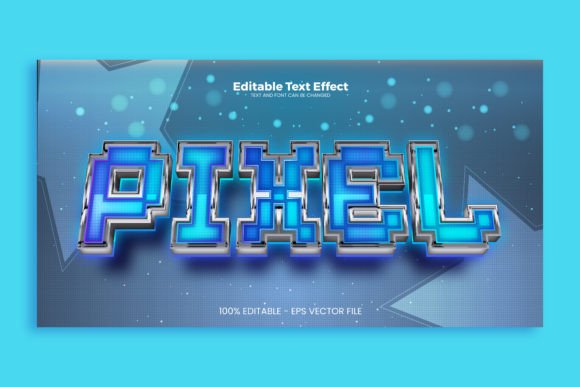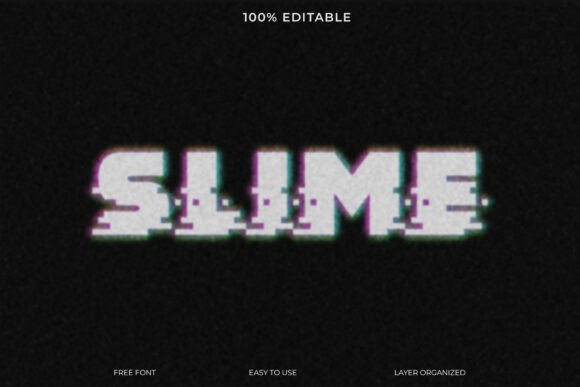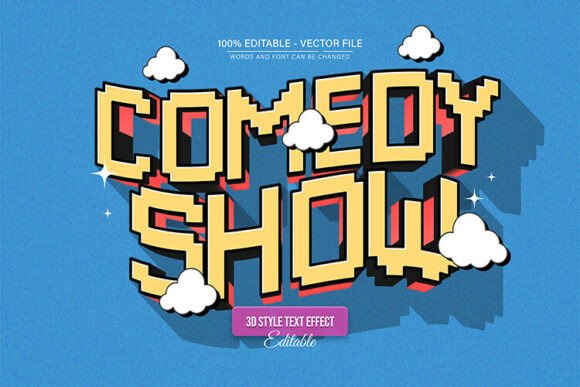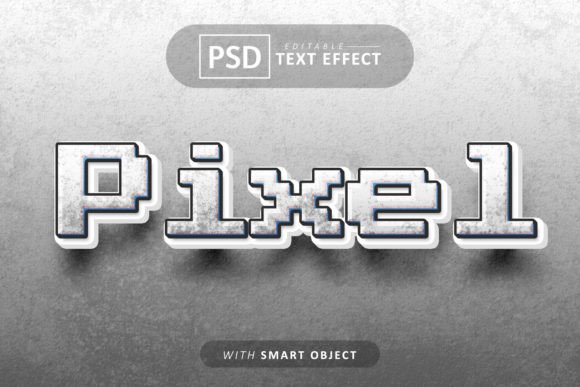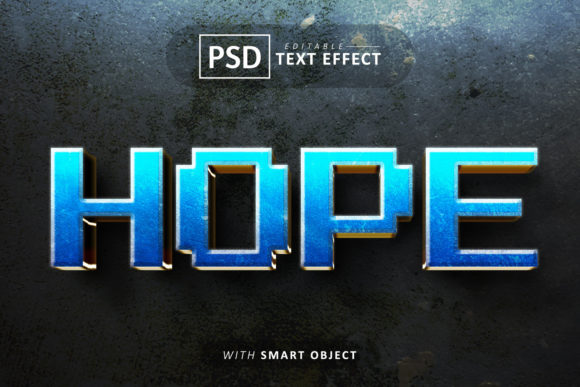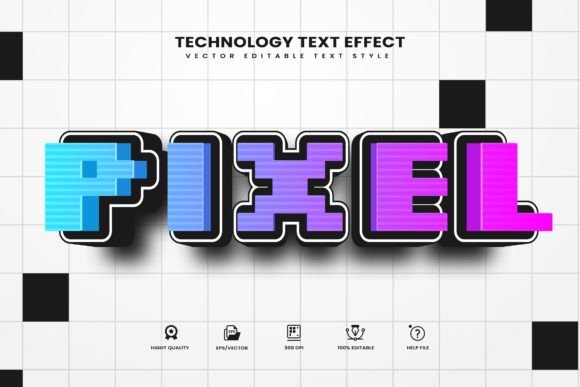
Pixel Theme Editable Text Effect: Instant Retro Digital Style
There's a distinct visual language that speaks of early computing, arcade cabinets, and the dawn of the digital age. It’s a style built on grid-like precision, blocky shapes, and a sense of structured, mechanical charm. Capturing that specific aesthetic often requires meticulous manual work, building letters pixel by pixel. But what if you could apply that entire look to your typography with a single click? This is the core promise of the Pixel Theme Editable Text Effect, a vector graphic style designed to inject instant retro-digital character into your projects. It’s not just a font; it’s a fully editable design asset that transforms your text into a cohesive visual statement, perfect for anyone working within Adobe Illustrator.
A Vector-Based Solution for Modern and Retro Projects
At its heart, this product is a collection of vector text style effects. Unlike a static raster image, a vector graphic is infinitely scalable without losing quality. This means the Pixel Theme effect will look crisp whether it’s on a business card or a billboard. The real power lies in its integration with Adobe Illustrator’s Graphic Style menu. Once loaded, you simply type your text, select it, and click the style. The effect is applied instantly. But crucially, the text remains fully editable. You can change the wording, adjust the font, and even alter the underlying shape of the letters while the pixel effect dynamically adapts. This non-destructive workflow is a massive time-saver for designers who need to iterate quickly on concepts for a logo, a social media campaign, or a piece of merchandise.
The package is thoughtfully assembled for a smooth creative process. It includes the essential .AI and .EPS files containing the graphic styles, ensuring compatibility with Adobe Illustrator CC or above. A high-resolution JPEG file provides a quick visual reference, and the included documentation and PDF manual are invaluable, especially the link to download the suggested font that pairs perfectly with the effect. This attention to detail elevates it from a simple filter to a professional-grade design asset.
From Screen to Print: Where This Style Shines
The applications for this editable vector text effect are surprisingly broad, bridging the gap between digital nostalgia and contemporary design. Its structured, graphic nature makes it particularly effective in contexts where clarity and a strong visual hook are paramount.
- Branding & Logo Design: For tech startups, indie game studios, or any brand aiming for a modern yet retro vibe, this style can form the core of a logo design. It instantly communicates themes of innovation, coding, gaming, or digital craftsmanship. The scalability of the vector format ensures the logo works everywhere.
- Packaging & Merchandise: Imagine product packaging for a new energy drink, a tech gadget, or a line of apparel. The pixel text effect adds a bold, eye-catching headline that stands out on the shelf. It translates perfectly to t-shirt designs, posters, and stickers, where a strong graphic statement is needed.
- Digital & Social Media: In the fast-scrolling world of social media, a distinct visual style stops the thumb. Use this effect for YouTube thumbnails, Instagram story headers, or Twitter banners to create a recognizable and engaging aesthetic for your channel or brand. It’s also fantastic for designing the covers of digital products like e-books or online course materials.
- Editorial & Web Design: For blogs, magazines, or websites focused on technology, gaming, or design, using this style for pull quotes, section headers, or feature titles adds immense personality. It breaks up the monotony of standard web design typography and guides the reader’s eye with a unique visual rhythm.
Integrating the Aesthetic: Practical Advice for Designers
Adopting a strong stylistic element like the Pixel Technology Text Effect requires a thoughtful approach to maintain visual consistency and professional presentation. Here’s how to make the most of it:
Choose the Right Foundation: The effect works best with a solid, straightforward typeface. A clean sans serif font or a geometric display font often provides the ideal skeleton for the pixel treatment to adhere to. Avoid overly decorative script fonts or complex serif fonts where the intricate details might get lost or clash with the blocky effect. The included documentation’s font recommendation is a great starting point.
Prioritize Readability: While the style is visually striking, its primary job is to communicate a message. Use it for headlines, titles, and short bursts of text. For longer paragraphs or body copy, pair it with a highly readable sans serif font or even a classic serif font to ensure your content is accessible. This contrast is a fundamental principle of good font pairing.
Test Across Contexts: Before finalizing a design, see how the styled text looks at various sizes and against different backgrounds. Does it maintain its clarity on a busy photograph? Does it work on a dark mode version of your website? This testing phase is crucial for ensuring your brand identity remains consistent and effective across all touchpoints, from print materials to digital ads.
Understand the License: As with any commercial font or design asset, it’s vital to understand the licensing terms. This allows you to use the effect confidently in client work and commercial projects, ensuring your creative process is both inspired and legally sound.
The Pixel Theme Editable Text Effect is more than a novelty. It’s a versatile tool for designers and creators who want to tap into the powerful aesthetic of digital nostalgia with the efficiency and scalability that modern projects demand. By applying it thoughtfully, you can create designs that are not only visually engaging but also strategically aligned with your project's goals, whether you're building a brand, launching a product, or telling a story.